Top 10 Posts of 2011

Here are the ten most viewed posts of the past year. I am grateful to God for any usefulness these resources have provided our leaders and groups.  Enjoy!

10. How Can I Get My Members to Talk?

9. Leading Discussion – Basics and Advanced

8. Three Inspiring Testimonies of Lake City Small Group Growth

7. Golf, Fantasy Football, Guns: Men of God

6. Early Testimonies from Forgotten God Series, Fall 2011

5. Discipling Men in Small Groups, Part 2 – Getting and Keeping Them

4. Curriculum List for 2012

3. Small Group Leaders Bowling Party Recap (and What’s Upcoming this Fall!)

2. 2010-2011 Year In Review

And….Number 1 is a bit anti-climactic to view now because its purpose was to prepare us for a season which is already past. However, the Forgotten God series was a tremendous season, and you can hear and share the greatest praises from it THIS WEEKEND in church, in our Testimony & Praise Weekend!

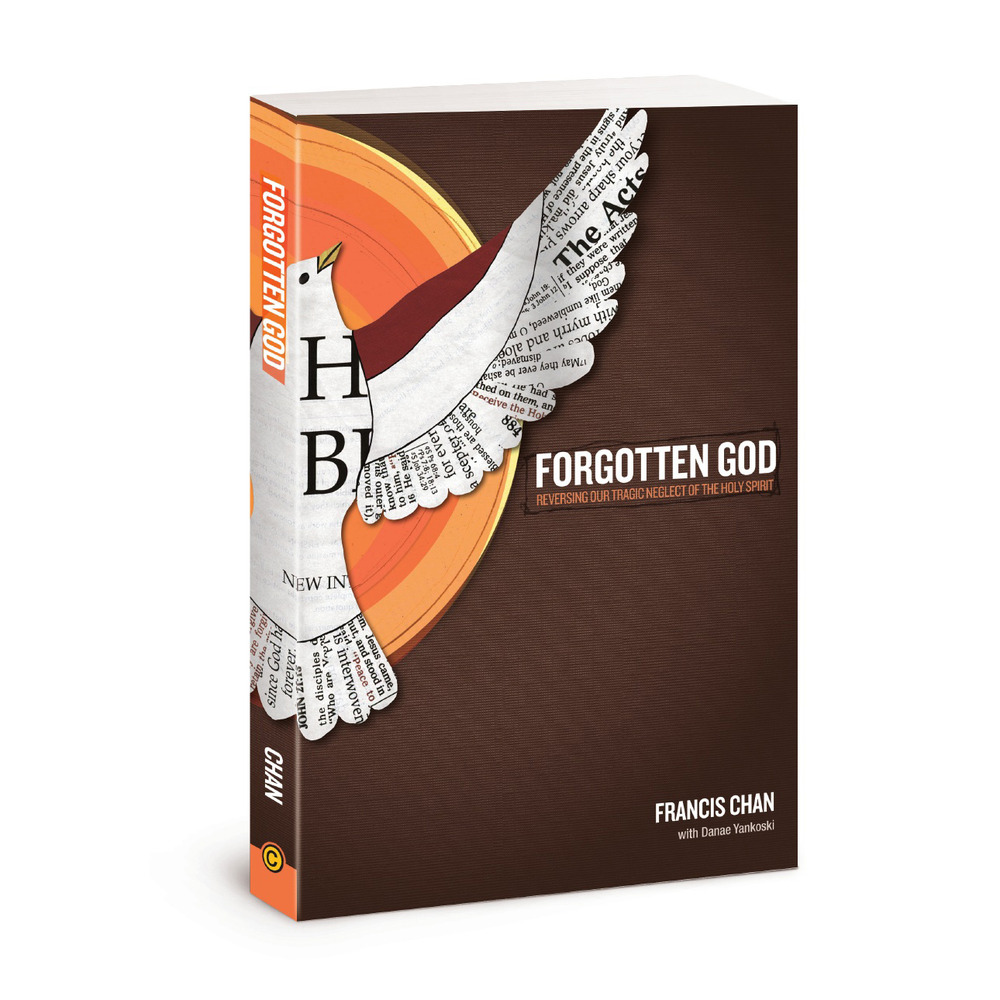
1. Forgotten God, this Fall at LCCC!

I plan to give this growing blog a nice organizational and design overhaul next year, whenever I make time OR find a volunteer who is proficient in this area (hint hint).

Blessings on your homes, and Happy New Year!

Pastor Reg

Finding Christmas in the Gospel of John

We read the “Christmas Story” in the Gospels of Matthew and Luke.  You won’t find a narrative in the gospel of John, but you will find there the theology, purpose and riches of Christmas!

So, here is something different this year with your family and friends at Christmastime – Christmas through the eyes of John.

Before opening presents or starting that Christmas party, grab your Bible (maybe a good study Bible) and read and discuss these passages:

  • John 1:1 – The Trinity: Who and from where Christ was for eternity before the Christmas events.
  • John 1:14 – The Incarnation: The most succinct statement of the Christmas story.
  • John 1:16 – Without Christmas, Christ wouldn’t have flesh to sacrifice; and we wouldn’t have grace…only judgment!
  • John 3:16-17 – Christmas and Good Friday in one. These events should not, and cannot, be isolated.

  • John 6:42-51 – A common response to Jesus in the flesh (41-42), and our fitting reply (51).
  • John 18:36-37 – Jesus Christ came to bear witness to the Truth. (The purpose of the incarnation.)
  • John 8:31-32 – The effects of the Truth? SALVATION AND FREEDOM from sin (guilt of sin, power of sin), death, Satan, hell, meaninglessness, emptiness…
  • John 17:18 – And finally, our calling now — to continue the mission that Jesus began! (cf. 15:16;20:21)

And with that, have a MERRY CHRISTMAS by making it ALL ABOUT JESUS!

Blessings on your homes,

Pastor Reg

Curriculum List for 2012 (updated for 2015)

Don’t know what your group will study next? This blog post is here to help!

Below is our updated annual list of recommended curriculums and ideas. Just Google any listed to find publisher’s description, reviews, and even preview videos in some cases.

Leaders, it might be best to pray and select the direction you personally want to lead.  But, if you feel you need the group’s input, choose your top 3 or 5 options and then present them for a vote. Come visit our curriculum library to preview these options.

There are hundreds of great resources not on my list. If you know of others, or discover something great, please share them with me!

————————————The Lake City Curriculum Offer———————————-

 To offset your cost and build our small groups resource library, we will purchase the DVDs and/or leader guides. Contact me to place the orders! (Participants purchase their own accompanying study guides.)

 ——————————————————-The Curriculum List ———————————————–


Curriculums our Groups have studied in the past and are in our resource library, or that we would like to add to our library (see “the Lake City Offer” above). Updated for 2015.

  • NOTE: An optional 5-week Stewardship study will be provided to correspond with our Capital Project sermon series, Feb. 21/22 – March 21/22. (See Winter/Spring 2015 Calendar)
  • Ray Vander Laan’s studies: In the Dust of the Rabbi; Walking with God in the Desert; etc.
  • Focus on the Family’s The Family Project
  • Daniel Meyer’s Witness Essentials: Evangelism that Makes Disciples (a great followup to Go Fish)
  • Craig Groeschel’s, The Christian Atheist
  • Mark Gungor’s, Laugh Your Way to a Better Marriage
  • Rick Warren’s The Daniel Plan
  • Rose Publishing’s Cults, Religions and Christianity DVD Study
  • Kyle Idleman’s Not a Fan
  • Answers in Genesis’ “Foundations” DVD Study – (and other various resources purchased by the church at our A I G conference)
  • Francis Chan’s Multiply
  • Francis Chan’s Crazy Love DVD Study
  • Francis Chan’s Forgotten God DVD Study
  • Michelle Anthony’s Spiritual Parenting DVD Study
  • David Platt’s Radical
  • David Platt’s Follow Me
  • Feasts of the Bible DVD Study
  • Tim Keller’s Gospel in Life DVD Study
  • Tim Keller’s The Prodigal God DVD Study
  • Tim Keller’s The Reason For God DVD Study
  • Mark Driscoll’s Vintage Jesus DVD Study
  • Rick Warren/Chuck Colson’s Wide Angle
  • Apologetics studies from Lee Strobel – Case for Faith; Case for Faith; Case for a Creator DVD Studies
  • Randy Alcorn’s Heaven DVD Study
  • Larry Osborne’s Ten Dumb Things Smart Christians Believe
  • Dave Ramsey’s Financial Peace University, separate group starting in late January
  • René Schlaepfer’s Grace Immersion, A 50-Day Plunge into God’s Amazing Grace
  • Dallas Willard & John Ortberg’s The Divine Conspiracy DVD Study
  • John Ortberg’s If You Want to Walk on Water, You Have to Get Out of the Boat DVD Study
  • John Ortberg’s The Life You’ve Always Wanted DVD Study
  • Philip Yancey’s What’s So Amazing about Grace? DVD Study
  • Philip Yancey’s The Bible Jesus Read DVD Study
  • Andy Stanley’s Discovering God’s Will DVD Study
  • Focus on the Family’s The Truth Project DVD Study – Teacher Del Tackett
  • Nicky Gumble’s The Alpha Course DVD study
  • Emerson Eggerichs’ Love and Respect DVD Study
  • Gary Thomas’s Sacred Marriage DVD Study
  • Erwin McManus’ Uprising DVD Study
  • James Smith’s The Good and Beautiful Community
  • LCCC’s own Love One Another study
  • Books of John, James, Galatians, Ephesians, Philippians, Colossians, Romans, Hebrews, Revelation, and more
  • Sermon Discussion/Application – with various study helps
  • Leader-developed studies on texts, doctrinal questions & topics
  • Crown Financial study – 6 week study for small groups
  • Road to Reward – eternal rewards
  • Creation Research InstituteDVD
  • Truefaced – creating a community of grace study
  • Extreme Grandparenting
  • Why Small Groups? by C.J. Mahaney
  • Celebrate Recovery
  • MacArthur Bible/small group studies – any
  • LifeWay Bible/small group studies – any
  • Navigators/NavPress Bible/small group studies – any


—————————-Other Highly Acclaimed Curriculums —————————

Story Driven DVD Studies:

Liquid Series (6 different studies to choose from) http://www.experienceliquid.com/

Not a Fan (6 week study on being a true follower of Jesus) http://notafan.com/

H2O (10 week study on a fulfilled life in knowing and serving God) http://store.cityonahillstudio.com/h2o.html

Francis Chan’s Basic Series http://basicseries.com/

Missional Studies:

LifeWay’s Seek Social Justice (6 week teaching on a contentious topic from highly trusted teachers)

A Bit More Challenging:

N. T. Wright’s Surprised by Hope, DVD study

LlifeWay’s Creation Unraveled, DVD Study

Previous Lists

I have not transferred all options from our older lists, so if you’re looking to browse even more options, these lists include several other little older but great options.

  1. Curriculum – Approved List. 09-10
  2. New Curriculum Ideas for 2010-2011

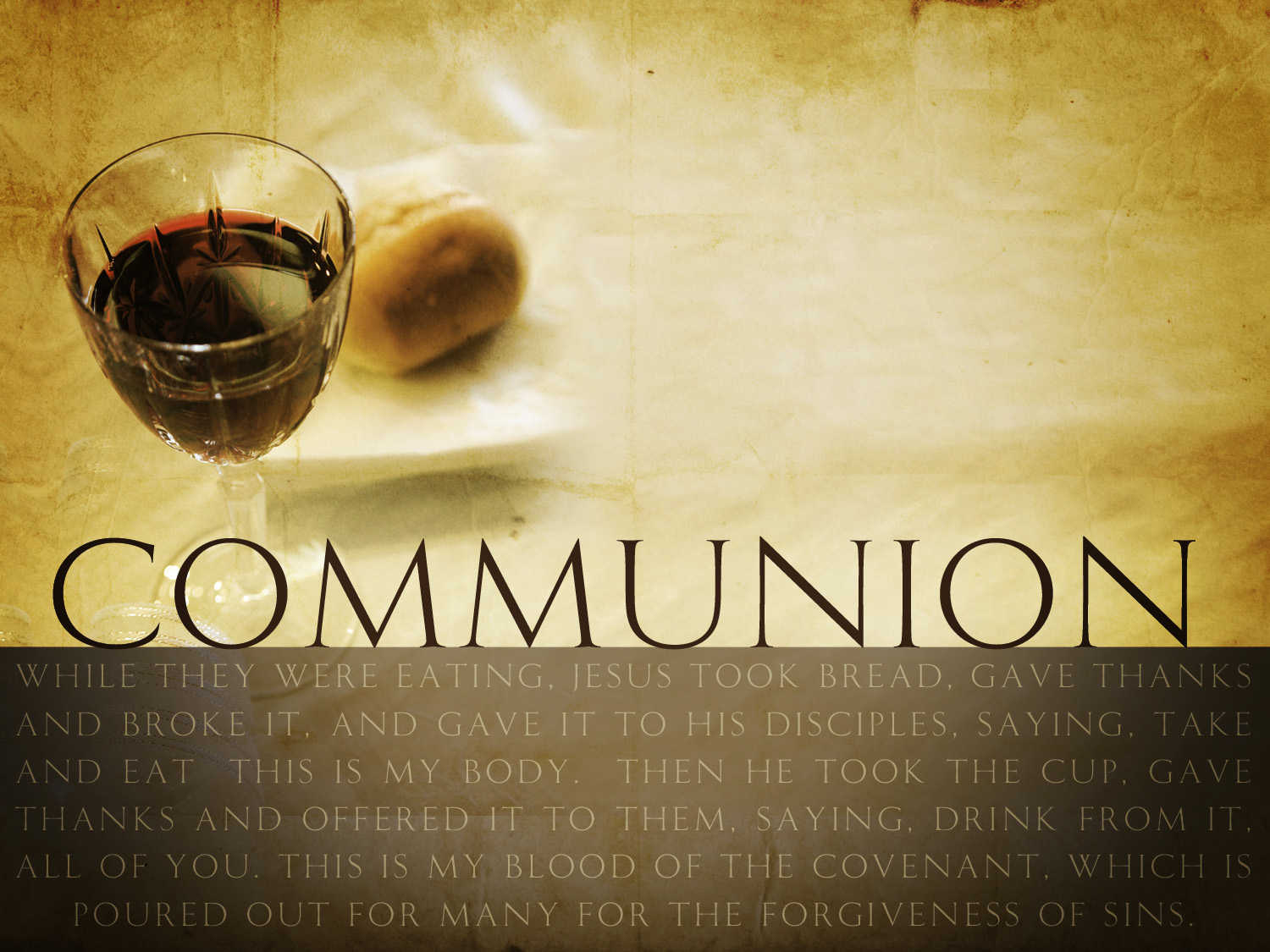
Communion in Small Groups – More than a Good Idea


The Bible says very little about how we are actually to go about observing communion, yet most Christians have strong preferences, if not convictions, about how to do it.  I want to expand your thinking in one area — observing communion regularly in your small group. As we will see,  this is more than just a good idea.

No Wafers and Juice Cups in the Bible

Most of us (assuming an audience which holds the “symbolic” view of communion) have observed communion primarily in corporate gatherings, with a short message and Bible reading from the pastor, followed by a collective ingesting of a wafer and a small plastic cup of grape juice. Let me say, I have no problem with the wafer and grape juice! Observing communion in this way has been a major part of my life’s spiritual formation. But my strengthening conviction is that small group members should observe communion together at least once per semester/term.

Here’s why:

At LCCC, we view small groups as not just another ministry or Bible study, but as the “church scattered,” in homes, throughout our community, engaging in directives of church which are not possible in a corporate setting: knowing, serving, loving, taking care of each other; digging in and applying Scriptures together; obeying the Great Commission together; having things in common; bearing each others’ burdens; and “being devoted to the breaking of bread and prayer”  (Acts 2:42-47).

Communion in the Bible most always centered around a meal, and small groups allow a better opportunity for that than anything else in the church.   At the Last Supper, Jesus effectively changed the Passover Meal into Christian Communion, and He strategically placed the observance of bread and wine within the course of this meal.  (Read more about that here.)

Is it wrong, then, for us to observe communion without a meal? Well, no. One of Christianity’s unique characteristics is the freedom Scripture gives regarding church polity and practices; freedoms which enable Christian churches to thrive and transform culture anywhere, at any time, on the planet. Additionally, in 1 Corinthians 10 Paul does allude to the bread and cup without a meal (10:16-17) and in chapter 11 even tells them to STOP the meal because they were abusing it! So, the meal is not required, nor should it replace the Lord’s Supper as the focus of our gathering.

But, would it be appropriate; constructive; healthy for us to observe communion more as the New Testament Church did – as part of a relational, worshipful meal together? That is the more important question. And I believe the answer is a most definite YES!

Guidelines for Leading Your Small Group in Communion

So, to help you lead your group in communion this very semester, here are some guidelines for leaders or any spiritually mature member of a small group who wishes to lead.

1.  Don’t be intimidated by this! You are already viewed as a “shepherd leader,” and this is one of the most significant and joyous acts Jesus gave us to do together.

2.  Spend some time in the communion passages (Matt. 26:26-30; Luke 22:14-20; Acts 2:42; 1 Cor. 10:15-22; 11:17-34, and many others if you want to study the significance of the Passover, its link to Jesus’ sacrifice and blood, and the biblical rules for it.)

3. Use other resources from books, websites, etc. There are tons of good resources out there. I’ll give you a couple of mine:

First, as a kind of template for you, here on a Word document is the communion manuscript from my recent sermon on Philippians 3:13-14 – Communion Manuscript from sermon – What to Remember, What to Forget

Second, from the engaging little book, Going to Church in the First Century, which I have given to all of our small group leaders, below is a copy of the pages which I used to lead my own group in communion just a couple weeks ago.

After explaining the premise of this book – the observations of a young man on his first visit to a house church – I passed around the elements and read the following pages, followed by the 1 Corinthians 11 verses. We then “ate” and “drank” in celebration of the gospel as part of our meal together. It was a fun and worshipful experience.  If this appeals to you, I encourage you to try it at your group’s next meal together!

——————————————————————————————————————————————————————

FROM PAGES 19-21 – THE BREAD:

            Before we began to eat, however, Aquila took up a cob of bread which his wife had laid on the table before him, and said he would like to give thanks. Instead of offering part of the bread to their god, Aquila reminded the people present that their god had offered something for them instead. His only son, no less, who died that they might live.

            ‘Just before he sacrificed himself for us,’ he went on to say, ‘he took part in a meal with his followers just like the one we’re having now. During this meal he shared around bread and told them that it represented him. Just as they needed bread in order to live physically, so, even more, they needed him if they were to experience real life. And so do we. This is why he wants us to continue having meals together and this is why we are meeting together today.’

            Just how a dead person was going to do all this wasn’t at all clear to me. But then Aquilawent on to say that after this person was executed, he’d actually come to life again. I could hardly believe my ears, I can tell you, but that’s exactly what he said! He’d gone to his father after death and this put him in a position where he could share his life with anyone who followed him, wherever they were and no matter how many there were of them. A bit of him living in each of them, so to speak, or at least that’s how I understood it.

            ‘This means,’ continued Aquila, ‘that although he isn’t physically with us in the room, he is nevertheless really present among us. As we eat the meal together, beginning with this bread’ (which he was now breaking into substantial portions and passing among the guests) ‘we’ll experience him directly within ourselves, as well as through our fellowship with one another as we eat.’

            He concluded all this with a brief prayer, if you could call it that. For it was made up on the spot so far as I could tell, and spoken in quite a normal voice. In it he thanked his god for all this and told him how much we looked forward to the meal and everything that went with it. Then he sat down to a chorus of ‘yes’, ‘indeed’, ‘amen’ and the like and began to eat.

FROM PAGE 35 – THE CUP:

            At this point we were interrupted by Lysias who, at Aquila’s signal, had begun to refill the cups at our table. Felix was doing the same at the other. Aquila then took his cup in both hands and said:

            ‘The wine that we’ve been drinking has been part of our meal and a help to our fellowship in the Lord. But it means more than this. For, as Jesus explained, it reminds us that he is the one who has created this bond through his death. It also stands as a promise to us of the fellowship we shall have one day with him when we sit down at his table and dine with him face to face. So as we drink this cup together, let us take these things to heart and be grateful for them, looking back with appreciation on the one and looking forward with anticipation to the other. And may our meetings express that oneness that we have with him more and more so that they are, as it were, a little taste of heaven on earth.’

            In this spirit we all drank. 

——————————————————————————————————————————————————————

However the Holy Spirit directs you, I pray that observing the Lord’s Supper with your small group will become a pivotal moment in your life together — one that you will repeat regularly, in remembrance of Jesus.

Blessings on your homes,

Pastor Reg

Halloween, 2011

I like to post constructive tools for edification in our small groups and homes during holidays throughout the year.  Halloween, 2011 is just days away.  Consider this year how might we might redeem it?

On my post from last Halloween I included thoughts from John MacArthur’s ministry.

But even better yet, I encourage you to read and discuss with your small group and family a new article on John Piper’s ministry’s blog: Sent into the Harvest: Halloween on Mission. 

Talk about redeeming Halloween! This is worth the several minutes it requires to digest. You will not be disapointed.

Permalink

What are YOU doing this Halloween to make Jesus known? It would be fun if you shared in the comments below!
Blessings on your homes, not cowering in fear on this Hallow’s Eve Weekend, but rather “serving notice on the threshold of evil.” (Matt. 16:18)
Pastor Reg

Leading Discussion – Basics and Advanced

“Seven lessons; Seven different Facilitators”  was the closing thought at this fall’s small group leader training.

The point was that to prepare leaders of the future we need to get people out of their comfort zones today, and rotating the job of leading discussion among several members is a great way to ignite that spark in those who currently might feel they could never do such a thing. Our study this fall, Forgotten God:Reversing Our Tragic Neglect of the Holy Spirit, contains seven lessons. The challenge for our leaders: How many can you delegate?

But along with “igniting” potential new leaders comes a need for equipping. So, this blog post offers our best resources on the skill of leading good small group discussion. Sharpen up your own skills. Share with those to whom you delegate. They are the future leaders of Lake City Small Groups!

General Guidelines for Discussion

In the section titled, “Best Practices: Discussion,” the Lake City Small Groups Toolkit offers these four “Tried and True Guidelines for Success in Leading Discussion.”

  1. Rotate it! Everyone who can lead should, at least once per semester.
  2. Wait 30 seconds after asking a question. Some people take 25 seconds to formulate their answers and get the courage to speak.
  3. Be prepared. Know where to begin; where you want the discussion to go; and where you want to end up. Hold your plan loosely, though, and allow the Holy Spirit’s leading.
  4. Have a takeaway – Don’t end discussion without identifying a way we will all change as a result of it!

Developing the Skill of Leading Discussion

Small Group guru Mark Howell gives “Five Keys to Stimulating Better Discussion” in his article, here.   My suggestion – evaluate how you are doing on each of the five as you read through them; then evaluate which each of your delegates needs your help in developing their skill.

Advanced Application

The most important thing to remember in “discussion” is that we are not here just to impart data. A challenge must be given from God’s Holy Word to change our lives.

Another small groups master, Rick Howerton, suggests that our application of God’s Word should go even beyond merely “going and doing;” it should change us to our core. Read more in his article, “More to Application than Going and Doing.”

Leading Forgotten God Lessons

My small group’s co-leader, Jon Banke, noticed a strategy that works well for Francis Chan’s material. Discussing all 12+ questions in each lesson one by one requires more time than most group have. But, notice the natural groupings that exist among the questions. Rather than trying to get through all 12 questions one at a time, try leading discussion of the three or four groupings that you identified.

For example, say: “Questions 3-6 all deal with the area of __________. Using your answers to each of these questions, share your thoughts about this topic.” 

This is not only more efficient than answering one question at a time, but will allow members to share much more of the “gold” that they’ve mined in their study than time would allow otherwise.   I’m using this method this week. Thanks, Jon!!

Previous posts on This Blog

My goal is to make this blog an exhaustive database of useful resources for our small group leaders.  It’s getting there!  I believe these two previous posts offer great insight into this topic as well.

  1. How Can I Get My Members to Talk?
  2. Answers to the Questions Most Often Asked by First Year Small Group Leaders

Thank you for your time to research and develop this skill, in yourself and in the future leaders of Lake City Small Groups that presently reside in your group, just waiting to be identified and called to leadership!

Blessings on your homes,

Pastor Reg

Early Testimonies from Forgotten God Series, Fall 2011

Small group testimonies posts always seem to be favorites – and helpful too, to hear what’s going on out there. Some great reports are being shared early this fall, after just the first couple meetings.

1.    Durr/Pritchard Group 

Jeremy wrote this account of their group’s first meeting:

“Group started off really cool with a lot of engagement by asking “when you hear Holy Spirit, what comes to mind? What is your experience, or lack of any, with the Holy Spirit?” It sparked very interesting conversation, then we read the introduction from the book. I think every person in our group is intrigued and excited for this study. “

He then shared this about the Lake City Small Group Toolkits (which are available in the church office for every group member):

“Also, the toolkits were more useful than ever this year. We have someone signed up for quite a few roles for the group. I think one trick we used was writing everyone’s name on their toolkit with a big sharpie. More than one person said ‘I guess I really need to make sure I take this with me now that my name is on it!.’ I laughed inside and thought that was a helpful idea. No one left their toolkit behind! “

Haha, okay, so we’ll be sure that next year’s Toolkit cover includes something like this:

NAME (WRITE IN SHARPIE!):

🙂

2.    Mathews/Zuniga Group

This brand new group is off to an impressive start. In their “small group covenant” conversation they decided to expand their meetings to allow time for eating a meal together every week. A few of our groups do the same. And while a weekly meal might not work for every group, there is no question that Jesus intended breaking bread together to be an inherent activity of His church.

These leaders are also committed to building relationships with their members throughout the fall by having each of them over for dinner; taking each of the men out to breakfast; serving together in mission, and every other way they can.  Great job, group. Those are the beginnings good shepherding!

3.    In a similar way, a different group leader emphasized how they will be shepherding each person/family in their group by having them over for dinner to discuss a specific path for their spiritual growth this year.  For example, he plans on encouraging at least one family in his group to consider doing a short-term trip to Niger. This is a wonderful plan that should be considered by every leader!

4.    Mark and Kelsey Wilkening have returned as small group leaders after getting The Father’s Heart ministry off the ground this last year.  One striking thing the Wilkenings and their co-leaders, Jeremy and Hope Evarts, are experiencing with this brand new group is being a certain sort of microcosm of the larger church family.  Many new faces fill our church since adding the Saturday night service last fall, and the Wilkening/Evarts group is filled with several of these new faces.

Mark says on the makeup of their group being representative of our church overall:

“It’s exciting to me to see all these new people being connected in community.  It’s exciting that our group represents that. It’s not a group filled with our friends.  This is kind of what our church is becoming. It’s been a blessing. It’s exciting from a leadership perspective. We barely know these people in our group, but yet we already sense a desire to connect with the Body and receive the encouragement and support that we want people to experience.  We hope that in all groups, when people are going through difficulties that they will not bow out, but remain committed to working through life with others in the Body of Christ.”

Great job, small group leaders.  Our Good Shepherd is pleased when we take our calling to care for His flock so seriously.

Blessings on your homes,

Pastor Reg

Only Half My Group Showed Up

I found this recent post by Eddie Mosely to be very timely for many of our groups right now.

If not ALL of your group invitees showed up to the first meeting, please read this and consider his pointers on connecting with them:  http://eddiemosley.wordpress.com/2011/08/24/only-half-my-group-showed-up/

Thank you, leaders!

In ministry together,

Pastor Reg

UPDATE, JULY, 2012: If you have stumbled upon this post because the title looked interesting, I want to equip you with THE BEST ice breaker to have in your arsenal for the week when only half of your group shows up. See the idea, from a post in July, 2012, here: http://lakecitysmallgroups.com/2012/07/19/best-small-group-ice-breaker-ever/

Foolproof Plan for a Successful Kickoff

You want to kick off your small group year the best you can. Hmmmm, a “foolproof plan” sounds attractive.

This three stage plan will not disappoint you! Following it with prayer and a pure heart for your group will make your members valued, engaged, aware of what to expect and committed to the group for the entire semester.

Bold claims?  Give it a try! (And feel free to add your observations and other ideas to the discussion in the comments section.)

“ABCs” OF A GREAT SEMESTER START:

Before Your First Meeting

  1. Make a map to your house and send this out a week ahead of time.
  2. Call your group members.  Personal contact is critical. When you call them, your enthusiasm is very important.
  3. Ask each person to bring something (soda, chips, etc.). This cements their attendance, making them much more likely to show 🙂

At Your First Meeting

  1. Start your group off with an informal social meeting. Food is always helpful. Discuss the ownership and agreement of purpose of your group using the tools on pages 6 & 7.
  2. Have nametags and markers ready at the door. Arrange for an uninterrupted session (i.e., childcare needs, food prepared in advance, etc.).
  3. Get to know one another with an introductory game/ice breaker.  Rule of thumb: Get everyone talking in the first five minutes of the meeting!
  4. Establish a good pattern for prayer by praying at the beginning and end of the meeting, and asking how to pray for each other that week.
  5. Set a date and place for the next meeting before you dismiss.

After Meeting Follow-up

  1. Call or touch base with everyone who attended the meeting to thank them for coming. Shake their hands when you see them at church. Set a pattern early for contact with you between meetings.
  2. Call all of your new group members a couple days before your next meeting. Don’t assume that they’ll remember. They will need your encouragement to come to meeting #2!
How did it work?

7 Days of Prayer Before Kick-Off

Pray

Small Group Leaders, Assistants, Members, Pastors, Designated Elders,

This 7 Day Prayer Calendar is for ALL of us to pray daily from Sept. 11-17, during the week preceding our small group kickoff.

7 Day Small Group Prayer Calendar


Let’s commit to laying a massive foundation of prayer for our church’s “Forgotten God” fall sermon and small group series!

Here’s how: Print this document – 7 Day Prayer Calendar before kickoff.  Then, email or mail a copy to your group members (or send a link to this post). Finally, make yourself accountable to your spouse or prayer partner, and pray, each of these days for your small group! 

Make Contacts

Please make good contact with your returning members and the new contacts forwarded to you. People are anticipating getting plugged in this fall!

Blessings on your homes,

Pastor Reg
 

Here is a copy of Microsoft